
Beyond the Data: Reflections from the 56th Annual TTRA International Conference
Last week I had the opportunity to attend the 56th Annual Travel and Tourism Research Association (TTRA) International Conference in Greenville, South Carolina. Like every TTRA conference, the presentations were filled with outstanding research and conversations about the future of destination marketing. But as I reflected on the sessions and discussions throughout the week, I found myself thinking less about the individual studies and more about what connected them all.
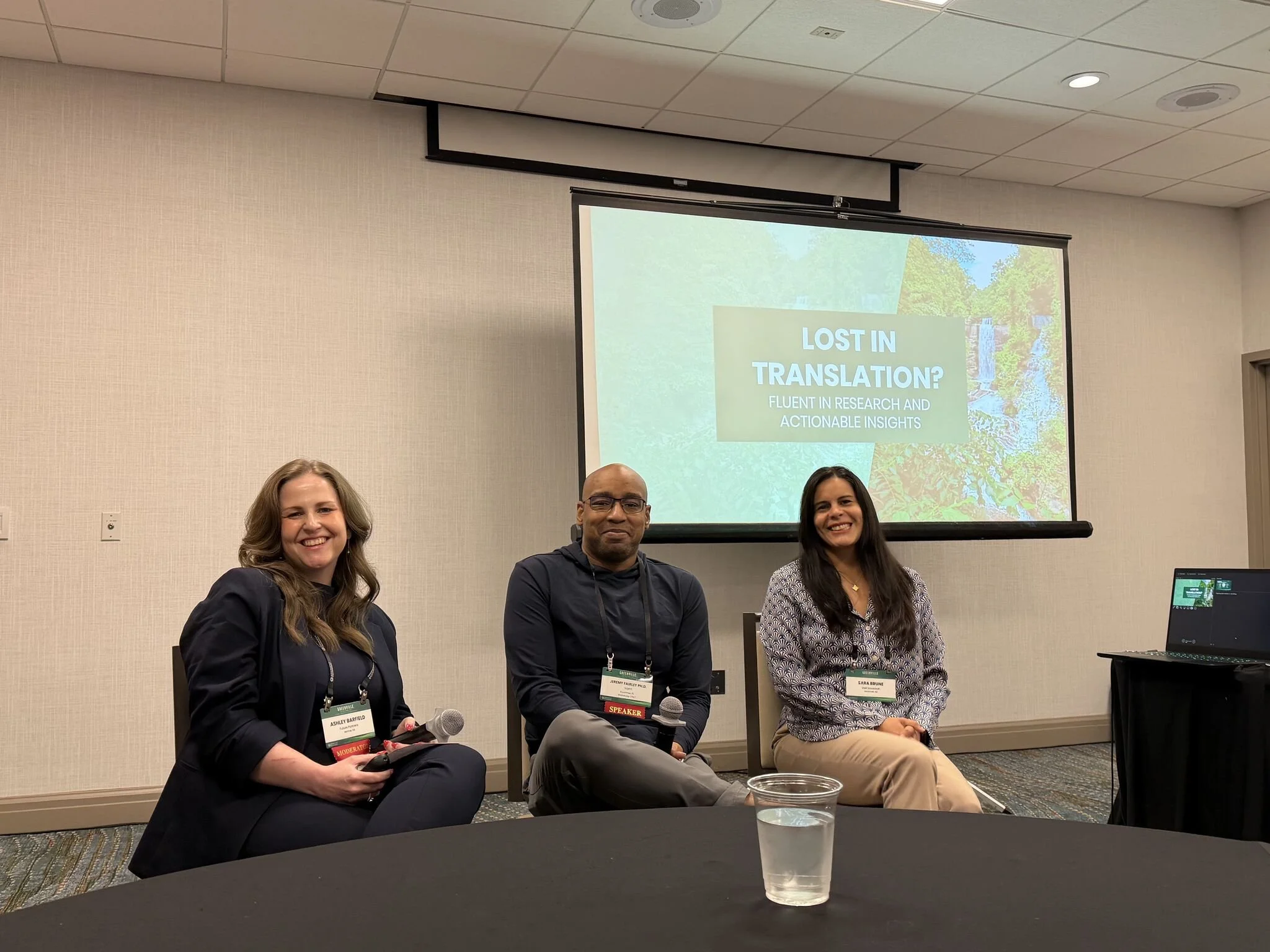
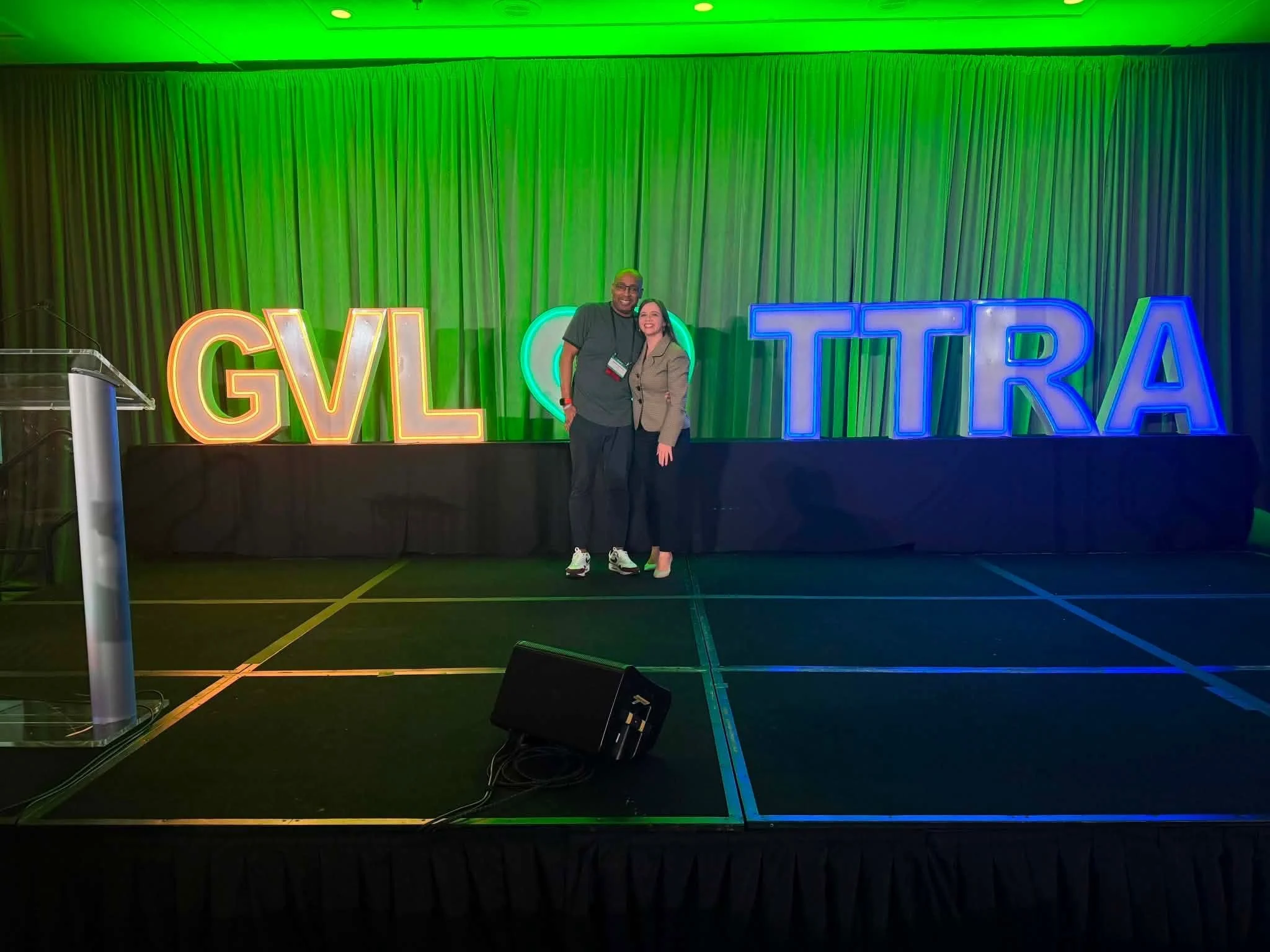
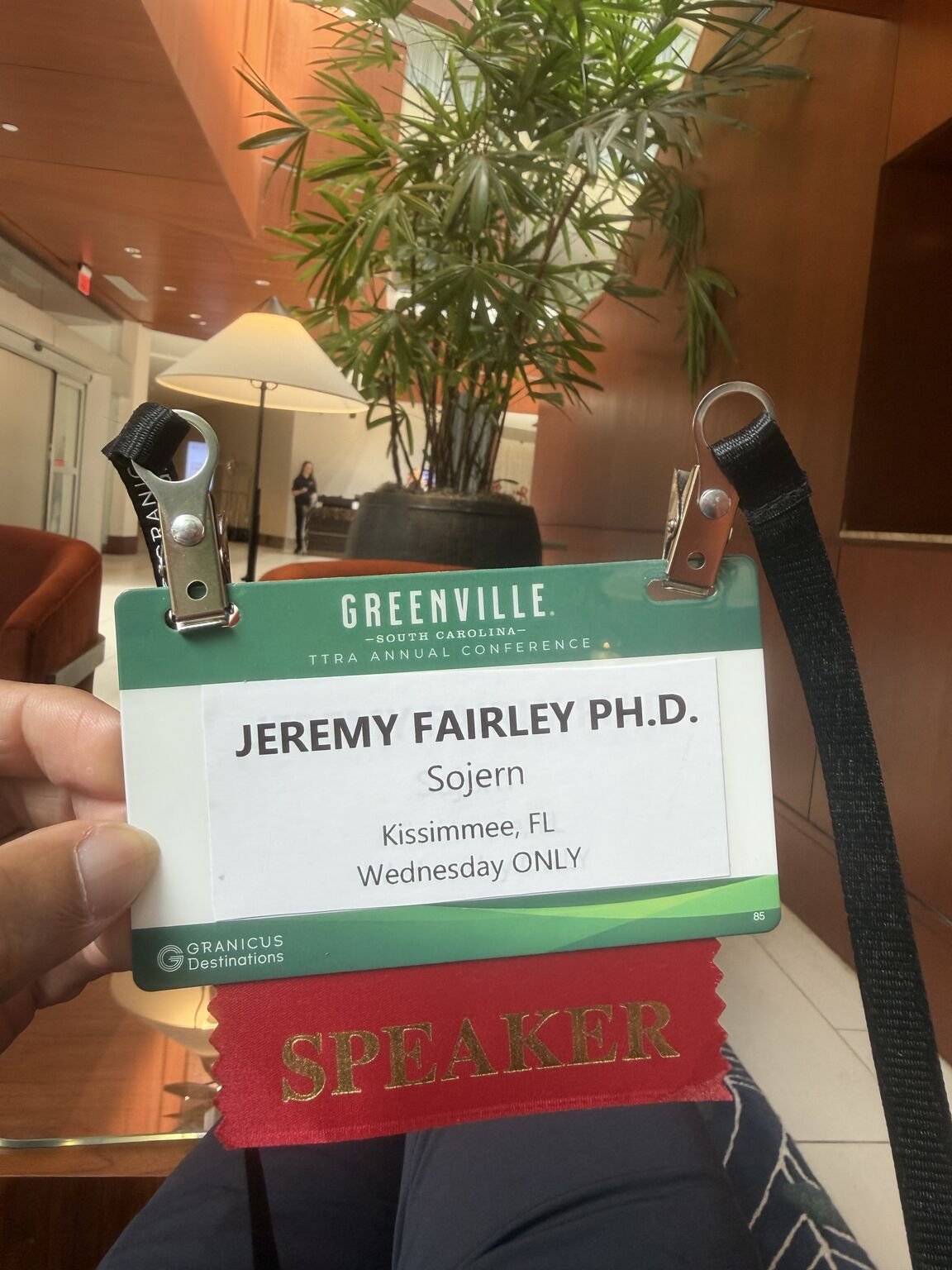
This year's conference theme—Shaping the Future of Tourism: Collaborative Horizons in Research, Education, and Practice—could not have been more timely. Across sessions on artificial intelligence, destination strategy, workforce development, visitor behavior, and data analytics, one common thread continued to emerge: the future of tourism will not be built by better data alone. It will be built through better collaboration. I’ve said as much in my content here and the Insightful Moments Podcast in my thoughts on the role that social capital will play in the future, and those conversations had a direct link to the role that collaboration plays. In fact Collaboration can be strengthend or in many ways weakened through the use of social capital in destination thinking as it relates to stakeholder engagement.
As someone who spends much of my time thinking about destination ecosystems, customer success, and social capital, I left Greenville with a renewed sense of appreciation for an idea I've long believed: research creates knowledge, but relationships determine whether that knowledge creates impact.
Here are a few of my biggest takeaways from the conference—not simply as a recap of what was presented, but as reflections on what these conversations mean for destination organizations, tourism leaders, and the partnerships that will shape our industry's future.
AI is Becoming Infrastructure—Not the Strategy: Lets keep this one simple. Although AI as a concept is anything but. Too many Destination Organizations are looking at AI as the be all an end all for their needs. But in general, the concept was impossible to ignore throughout this year's conference. From research methodologies to marketing applications, AI is rapidly becoming embedded in nearly every aspect of destination management. Yet one message stood out: AI is a powerful enabler, not a replacement for strategy. Destinations that achieve the greatest success won't simply adopt AI—they'll integrate it into a broader decision-making framework grounded in clear objectives, quality data, and human expertise.
The Gap Between Research and Implementation is Still our Biggest Challenge: Many of the sessions centered to some degree around this topic of how researches and academics alike can work more closely together with their industry couterparts. The conference showcased exceptional research addressing visitor behavior, economic impacts, sustainability, and destination performance. However, a familiar challenge remains: translating academic findings into practical action. Too often, valuable research ends with publication rather than implementation. The opportunity for our industry lies in strengthening the connection between researchers and practitioners so that insights become measurable outcomes rather than reports that sit on a shelf.
Collaboration is Becoming a Competitive Advantage: The strongest destination organizations are the ones who have mastered the idea that we are stronger together than we are apart as it relates to engaging with stakeholder communities. This year's conference theme emphasized collaboration, and it was evident across nearly every session. The challenges facing destinations—from workforce shortages to technological disruption and resident sentiment—cannot be solved by a single organization acting alone. The destinations that will thrive are those capable of bringing together public agencies, private businesses, community stakeholders, and educational institutions around shared goals. Collaboration is no longer simply good practice; it is becoming a strategic capability.
Customer Success Thinking Belongs in Destination Organizations: Along the collaboration conversation, from an operational perspective, CS thinking can aid Destination Organizations in assuring that they are serving their stakeholders to the best of their ability. While customer success is traditionally associated with the technology sector, many of its underlying principles have direct relevance for destination organizations. Success should not be measured solely by recruiting members, partners, or event planners—it should also be measured by helping those stakeholders achieve meaningful outcomes. Organizations that proactively engage partners, understand their goals, and continuously demonstrate value will build stronger relationships and create more resilient destination ecosystems.
Social capital may be the missing ingredient in destination performance: I talk about this a lot in my dissertation, in fact its the central theme in terms of how Destination Organizations have traditionally measured success, and bow success should be measured in terms of providing positive outcomes for their stakeholder communities. Perhaps the strongest takeaway reinforced my own research: destinations ultimately perform through people, not just programs. Behind every successful initiative are networks of trust, shared understanding, and productive relationships. Data informs decisions, but social capital determines whether organizations are willing to collaborate, share knowledge, and act collectively. As destinations continue navigating rapid change, investing in these relationships may prove just as important as investing in technology or analytics.
As I left this year's Conference, I was reminded that the future of tourism won't be shaped by any single technology, dataset, or organization. It will be shaped by our collective ability to connect research with practice, embrace innovation thoughtfully, and strengthen the relationships that make collaboration possible. Conferences like TTRA provide more than new ideas—they challenge us to think differently about the work ahead. I'm excited to continue these conversations and, more importantly, to help turn these insights into action.
Kind regards,
Jeremy Fairley, PhD
