
Trust Behind the Strategy Series: Trust is the Real Innovation Engine
This article is part of The Trust Behind the Strategy, a Greater Insights series inspired by my conversation with Nerissa Okiye about stakeholder relationships, co-creation, and Martin County’s “AI Means More Here” campaign.
Trust can be many things to an individual or an organization. As it relates to tourism and business in general, I like to look at trust as the grease that enable the larger mechanism to move and operate freely and with as little friction as possible. So i short.. Trust = Grease… remember that one folks.
Artificial intelligence remains top of mind across tourism. Partners may understandably expect their destination marketing organization to respond by adopting the same technologies receiving attention elsewhere: chatbots, automated trip-planning tools, generative content, and other visible applications of AI.
Martin County chose a different path.
Rather than introducing another AI-powered tool, the destination decided to think very differently about what “AI” could mean through the experiences, values, and identity of the community. It was a creative departure from what many tourism organizations were doing—and that carried a tremendous amount of risk.
Would stakeholders understand the idea? Would they believe it represented their interests? Would visitors recognize the message? Would the campaign appear innovative or disconnected from the broader conversation?
Trust
There is value in being different from competing destinations and brands. Differentiation, however, requires more than creativity. It requires confidence from the people whose organizations, communities, and resources are represented by the work.
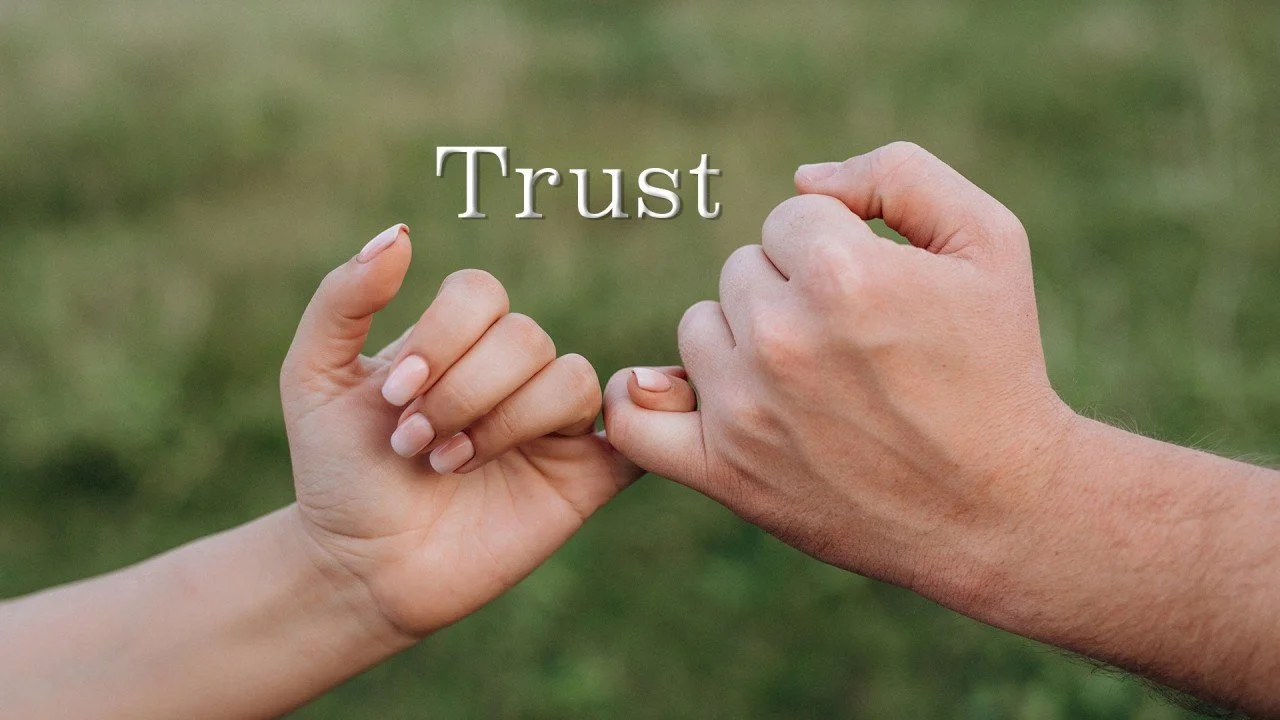
That confidence is built through trust.
Innovation Requires Permission
One of the most telling moments in my conversation with Nerissa came when she described why Martin County’s stakeholders were willing to support an unconventional campaign:
“We’ve built the trust where they let us do something kind of out of the box.”
That statement captures an important reality of destination leadership: innovation is not only about developing a strong idea. It is also about earning permission to pursue it.
DMOs operate within complex stakeholder environments. Their decisions are evaluated by a wide variety of stakeholders to include: lodging partners, attractions, restaurants, retailers, elected officials, residents, board members, and community organizations. Each group tends to think with its own interests in mind and not that of the braoder mission/destination.
An unconventional idea like this can therefore create two types of risk.
The first is creative risk: the possibility that the campaign may not perform as intended.
The second is relational risk: the possibility that stakeholders may feel ignored, misrepresented, or uncertain about the DMO’s judgment.
Creative risk is often unavoidable when attempting something new. Relational risk can be reduced—but only through the work that takes place before the idea is presented.
Martin County did not begin building stakeholder confidence when it introduced “AI Means More Here.” The organization had already invested in those relationships through communication, transparency, responsiveness, and a demonstrated understanding of the community. It is a year round, daily effort in fact.
The campaign benefited from trust accumulated over time.
Trust Is Built Before It Is Needed
Organizations sometimes treat stakeholder support as something to pursue at the end of the strategy process. They develop an idea internally, prepare a presentation, and then attempt to generate enthusiasm for it.
But stakeholders do not evaluate a bold idea solely on its creative merits. They also evaluate the organization presenting it:
Does this organization understand our needs?
Has it listened to us in the past?
Does it communicate openly when challenges arise?
Will it remain accountable if the idea does not work?
Do we trust its leadership to represent the destination responsibly?
The answers determine how much freedom a DMO has to experiment.
When relationships are weak, even a strong strategy may face resistance. When relationships are strong, stakeholders may support an idea they would not have proposed themselves.
This does not mean trust eliminates questions or guarantees agreement. It means stakeholders are more likely to approach uncertainty with confidence rather than suspicion.
Stakeholders are more willing to accept creative risk when they do not perceive significant relational risk.
Trust as Strategic Infrastructure
Trust is sometimes discussed as a soft leadership quality—desirable, but separate from strategy and performance. Martin County’s experience demonstrates why that view is incomplete.
Trust is at the very core of strategic infrastructure.
It allows information to move openly between the DMO and its stakeholders (the grease remember). It makes difficult conversations more productive. It encourages partners to share concerns and emerging needs. Most importantly, it creates room for experimentation.
That room matters because differentiation is difficult when every destination responds to industry trends in the same way.
Martin County could have approached AI by replicating what other destinations were already doing. Instead, the team asked a more strategic question: How can we participate in this conversation in a way that reflects who we are?
That shift turned a technological trend into a destination-specific platform. The campaign’s visible innovation was creative, but the conditions that made it possible were relational.
The Leadership Work Behind the Campaign
The trust supporting “AI Means More Here” was not created through a single stakeholder meeting. It was reinforced through consistent leadership practices:
Listening before asking for support
Understanding the challenges facing community organizations
Remaining transparent about constraints and difficult issues
Continuing to support established stakeholder priorities
Following through on commitments
Testing ideas, evaluating results, and acknowledging when something does not work
These practices create social capital, specifically relational social capital: the trust, shared understanding, and relationships that allow people and organizations to work together effectively.
Nerissa addressed this directly:
“Social capital is the most important capital you have. Even if you don’t have money, if you have built that social capital, people will trust you.”
For a DMO, trust becomes a strategic resource. It can reduce resistance, strengthen collaboration, and create the freedom to pursue ideas that would otherwise appear too uncertain.
Before Asking Stakeholders to Take a Risk
The lesson from Martin County is not that every DMO should develop its own interpretation of AI. It is that innovative work depends on the relationships surrounding it.
Before asking stakeholders to support a bold idea, destination leaders should consider:
Have we listened consistently, or only when we need approval (transactional vs non-transactional)?
Have we demonstrated that we understand stakeholder priorities?
Have we been transparent about our decisions and limitations?
Have we built enough confidence for stakeholders to trust us when the outcome is uncertain?
Innovation does not begin when the campaign launches. It begins through every conversation, decision, follow-up, and commitment that establishes the organization’s credibility.
Martin County’s campaign may be the visible expression of innovation, but trust is the engine operating beneath it.
Bold ideas are not simply presented to stakeholders. The permission to pursue them is earned long before they ever reach the room.
This article is part of The Trust Behind the Strategy: Lessons in Destination Leadership from Martin County, a Greater Insights series exploring how relationships, stakeholder intelligence, and community trust enable DMOs to innovate. The next article examines why co-creation often begins long before the formal brainstorming session.
